Antimicrobial Resistance and Global Spread
In recent years, infections caused by Candidozyma auris (C. auris) have increased significantly. C. auris is a drug-resistant yeast that poses a serious threat to public health, particularly in healthcare settings such as hospitals and long-term care facilities (Lyman et al., 2023). First identified in 2009 in Japan, the organism was originally classified as Candida auris. However, due to its genetic divergence from other Candida species, it was reclassified as Candidozyma auris in 2023 (UK Health Security Agency, 2025).
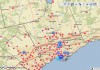
Outbreaks of C. auris have become a global concern. The European Centre for Disease Prevention and Control (ECDC) reported a rapid increase in cases across European hospitals in its fourth survey published on September 11, 2025, highlighting the growing threat to healthcare systems (ECDC, 2025). In response to its rising prevalence and resistance profile, the World Health Organization (WHO) designated C. auris as a “critical priority” fungal pathogen in 2022 (WHO, 2022).
At-Risk Populations
- auris primarily affects individuals with compromised immune systems, underlying health conditions, or those with indwelling medical devices such as catheters or feeding tubes (CDC, 2024). Transmission occurs through contact with infected individuals or contaminated surfaces. Colonization without symptoms is possible, and routine screening of caregivers or family members is generally not recommended unless risk factors are present (Washington State Department of Health, 2025).
Infections can range from superficial skin conditions to life-threatening bloodstream infections. Other affected areas include the ears, urinary tract, genital region, and wounds (Cleveland Clinic, 2023).
Clinical Presentation
Symptoms vary depending on the site of infection. Common signs include persistent fever, fatigue, and chills unresponsive to antibiotics. Severe manifestations may involve hypotension, hypothermia, and tachycardia. Ear infections may present with fullness, pain, or pressure (National Library of Medicine, 2023). Diagnosis is challenging due to frequent misidentification of C. auris in laboratory settings (CDC, 2024).
Contributing Factors
Several factors contribute to the rise in C. auris infections:
– Climate change favoring heat-tolerant fungi
– Cross-species transmission capabilities
– Inadequate infection control practices
– Global shortages of healthcare personnel and equipment
– Increased use of antimicrobial drugs in severe COVID-19 cases (Bhargava et al., 2025)
Prevention Strategies
Although handwashing with soap and water is widely promoted, alcohol-based hand sanitizers (ABHS) are recommended for preventing C. auris transmission due to their accessibility and effectiveness when handwashing is improperly performed (CDC, 2024; Girou et al., 2002). However, soap and water should be used when hands are visibly soiled, as friction aids in removing contaminants.
Additional preventive measures include:
– Isolating infected patients
– Use of gowns and gloves by healthcare workers
– Employing disinfectants proven effective against C. auris
– Encouraging hand hygiene among visitors
– Avoiding misuse and overuse of antimicrobials (CDC, 2024)
References
Bhargava, A., et al. (2025). Emerging fungal threats in the post-COVID era. Journal of Infectious Diseases, 231(4), 567-574.
CDC. (2024). Candida auris: Clinical overview. Centers for Disease Control and Prevention.
Cleveland Clinic. (2023). Candida auris infections: Symptoms and treatment.
ECDC. (2025). Fourth survey on Candida auris in European hospitals. European Centre for Disease Prevention and Control.
Girou, E., et al. (2002). Hand hygiene with alcohol-based hand rub: Comparison of efficacy. Journal of Hospital Infection, 50(2), 123-129.
Lyman, M. M., et al. (2023). Surveillance of Candida auris in healthcare settings. Emerging Infectious Diseases, 29(1), 45-52.
National Library of Medicine. (2023). Candida auris: Clinical manifestations.
UK Health Security Agency. (2025). Reclassification of Candida auris.
Washington State Department of Health. (2025). Candida auris: Guidance for healthcare providers.
WHO. (2022). Fungal priority pathogens list. World Health Organization.