
The 2018 Healthcare Symposium will take place in Boston on May 9 and 10, 2018. The event will feature interactive panel discussions with clinicians, engineers and architects, with a focus on improving patient outcomes through optimal design and management of the hospital environment.
Humidity Control
One topic of discussion will be the use of humidity control to ensure optimum patient health.
Indoor air quality in hospitals is a key factor in the health and comfort of both patients and staff. Hospital rooms have a variety of purposes, ranging from spaces for family members to wait, intensive care units for the most vulnerable patients, enclosed areas for X-ray and other imaging machines and operating suites where unconscious patients and intensely focused clinicians might spend hours. Each of these types of rooms has specific requirements for humidity and other indoor air parameters.
A comfortable, healthy atmosphere is necessary for patient rest and recovery. If indoor air is too dry, patient recovery may be hindered by new infections and further illness. Deviations from the optimal mid-range relative humidity (RH) of 40-60% can reduce air quality. Indoor RH less than 40%, is associated with increased transmission of airborne pathogens, dry eyes, sore throats and increased respiratory infections, increased static electricity and dust resuspension, and other side effects of even mild dehydration.
According to recent studies, the benefits of 40-60% humidity in hospitals include:
- Decreased infections from airborne pathogens
- Reduced healthcare-associated infections (HAIs)
- Decreased respiratory compromise in newborns
- Improved patient and staff comfort
- Lowered employee absenteeism
- Prevention of electrostatic damage to medical equipment
The 2018 Healthcare Symposium will also address:
- Surface disinfection strategies
- Airborne infectious disease management
- Energy savings and reducing operational costs
- The role of indoor air hydration in infectious disease transmission
- Improved staff health, reduced absenteeism and increased work productivity
New Innovation Adoption into Healthcare and The Infection Prevention Strategy
In addition, I will be speaking about new Innovation Adoption in healthcare at the 2018 Healthcare Symposium. During my talk I will discuss the progress of the HITS Working Group on New Innovation Adoption, The TIPS Sudden Science program and current opportunities globally at The Infection Prevention Strategy.
Attend for FREE and meet me at Harvard!
I have 5 tickets available to give away. If you would like to attend simply contact me at our contact form The first 5 that request a ticket will get one! (One per person)
Thank you to our Sponsors
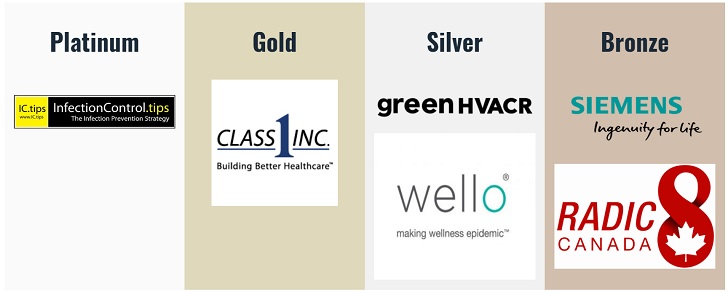
More information about the 2018 Healthcare Symposium can be found here: http://healthcaresymposium.org/

 TIPS Master Series
 TIPS Interviews
 Science to Market