Every Week Should Be Patient Safety Week
What hospital leaders, prevention teams and industry can each do once the awareness weeks are over
 TIPS JournalInfectionControl.tips · ISSN 2369-7342
Global science and perspectives on infection prevention – for practitioners, researchers and the public.
What hospital leaders, prevention teams and industry can each do once the awareness weeks are over
In 2017 I wrote about the gatekeepers who shut new ideas out of healthcare. Nine years, a pandemic and a growing antimicrobial resistance crisis later, the message matters more than ever.
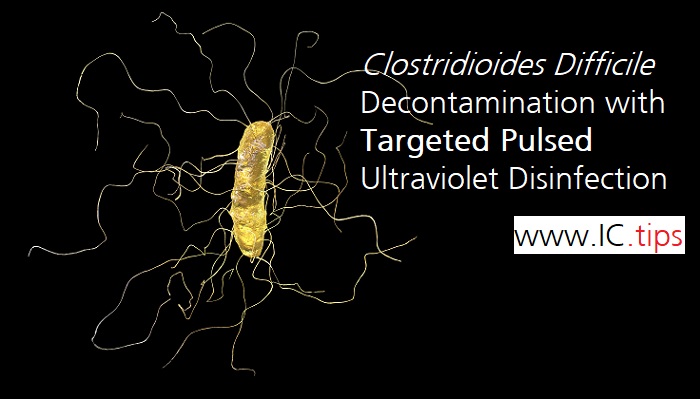
Historically it has been believed that a most healthcare onset CDI (HO-CDI) is a result of environmental exposure to C. difficile spores while in a healthcare facility, resulting in hospital onset C. difficile…
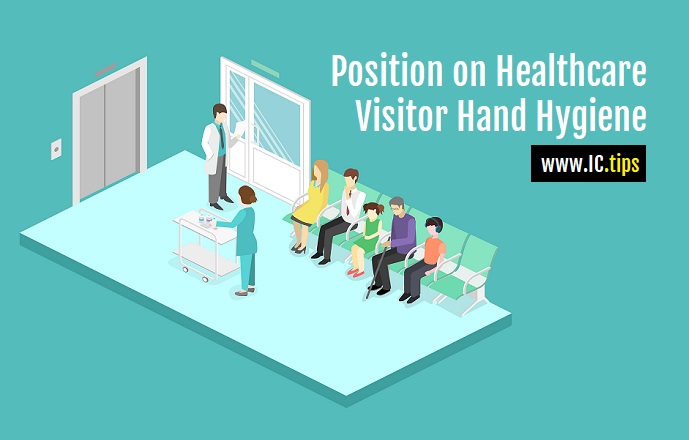
Recent public health concerns call for innovative strategies to better protect clients, healthcare workers, and visitors in the healthcare setting. Pathogens can be found on the hands of visitors upon entry and exit from…
Healthcare associated infections (HAIs) are among the leading threats to patient safety in healthcare facilities. It is estimated by the US Centers for Diseases Control (CDC) that each day one out of 31 patients…
As the world continues to navigate the ever-changing waters of the COVID-19 pandemic, one message has been consistent: wash your hands. Even before COVID-19, we have long known that hand hygiene is the most…
Cite as: Morales K, Puri K, Knighton S, Greene C, et al. (2020) Position on Healthcare Client Hand Hygiene. InfectionControl.tips. 7: 1-24 Abstract Recent public health concerns call for innovative strategies to better…
Background Coronaviruses often cause self-limiting respiratory infections similar to the ‘common cold’. However, infections by certain types of such viruses can lead to potentially fatal pneumonia. In less than the past two decades, three…
Abstract Photodisinfection therapy (PDT) is a treatment modality that involves the administration of a light-sensitive compound, known as a photosensitizer (PS), followed by light irradiation at a specific wavelength that excites or “activates”…
While hand hygiene is widely considered to be the most important factor in preventing healthcare-associated infections (HAIs), hand hygiene compliance rates in hospitals still average around 40 percent. Improving hand hygiene has been a…
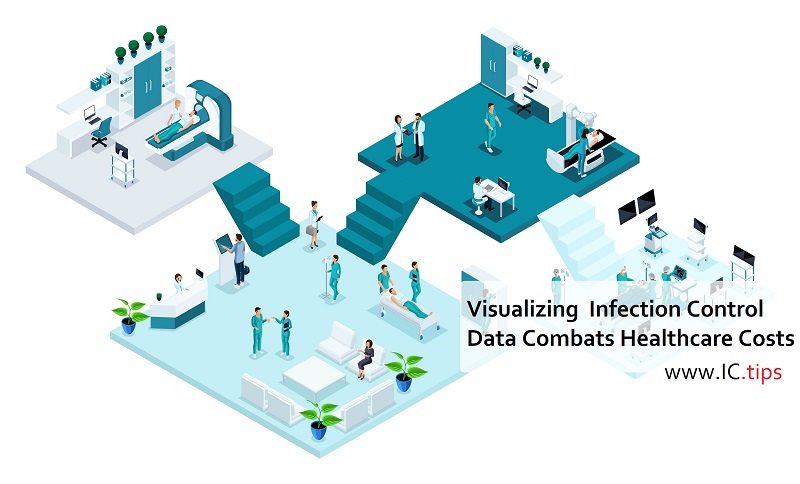
In a data rich infection prevention environment, data is likely available concerning infection rates, disinfection events, clinical events, facilities, employee training, inspections/audits, hand hygiene and more. Turning all this seemingly disparate data into an…
tips declare no conflict of interest with the following critical evaluation and research. No funds or influence were provided to InfectionControl.tips by any parties. Abstract Contaminated surfaces in hospitals play an important role in the transmission…
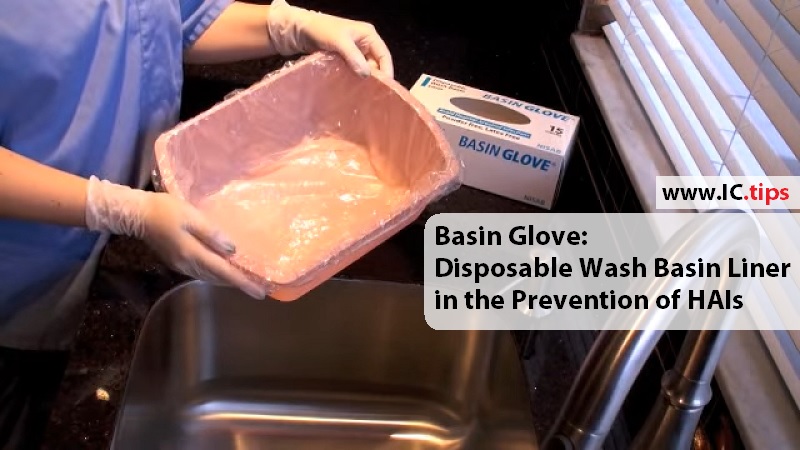
tips declare no conflict of interest with the following critical evaluation and research. No funds or influence were provided to InfectionControl.tips by any parties. Abstract Hospital wash basins are well known and established sources of hospital-acquired…
tips declare no conflict of interest with the following critical evaluation and research. No funds or influence were provided to InfectionControl.tips by any parties. Abstract Background Numerous articles have highlighted the role of waterborne nosocomial/Health-Care Associated Infections…
tips declare no conflict of interest with the following critical evaluation and research. No funds or influence were provided to InfectionControl.tips by any parties. Abstract Healthcare-associated infections result in increased healthcare costs and can lead…
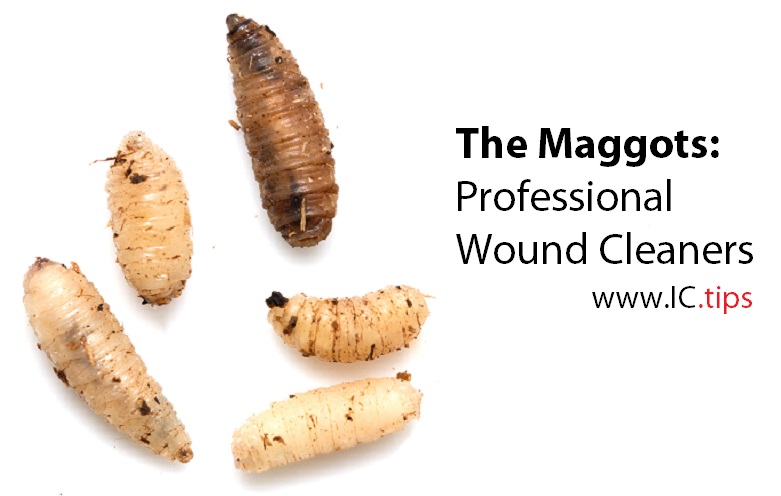
Maggots have been used in wound therapy for many decades. The digestive peptides of maggots have antimicrobial, anti-complement and anti-biofilm properties. These peptides can currently be synthesized in bulk, which can change wound care…
Hand hygiene is the best method to prevent the transmission of infections. Hand hygiene for hospitalized patients sounds obvious – something that should be easy to accomplish and regarded as important to the patient…
Clostridium difficile infections are a significant cause of death and harm in the United States. Despite their growing prevalence, surveillance and public reporting of C. difficile infections is uneven, leading to conflicting reports…
Clostridium difficile infection (CDI) caused approximately 453,000 healthcare-associated infections in the United States in 2011, resulting in 29,000 deaths within 30 days of initial diagnosis. CDI causes severe diarrhea, most often in older adults…
The Healthcare Infection Transmission Systems (HITS) Consortium takes a holistic approach to infection prevention, focusing on the 4 major pathogen transmission systems in the healthcare setting: surfaces, person to person, water and air. The…
Free Master Classes with CE credits, new articles from the TIPS Journal and news from the TIPS Network – in your inbox. Free, and you can unsubscribe at any time.
TIPS JournalOpen-access, peer-reviewed science and perspectives.InfectionControl.tips
 TIPS Master SeriesFree live master classes with CE credits.masterseries.events
 TIPS InterviewsConversations with global health leaders and innovators.deepdive.tips
 Science to MarketMillions in Scientific Impact since 2016! Advancing innovations, ideas and processes that make a difference in global health.www.IC.tips