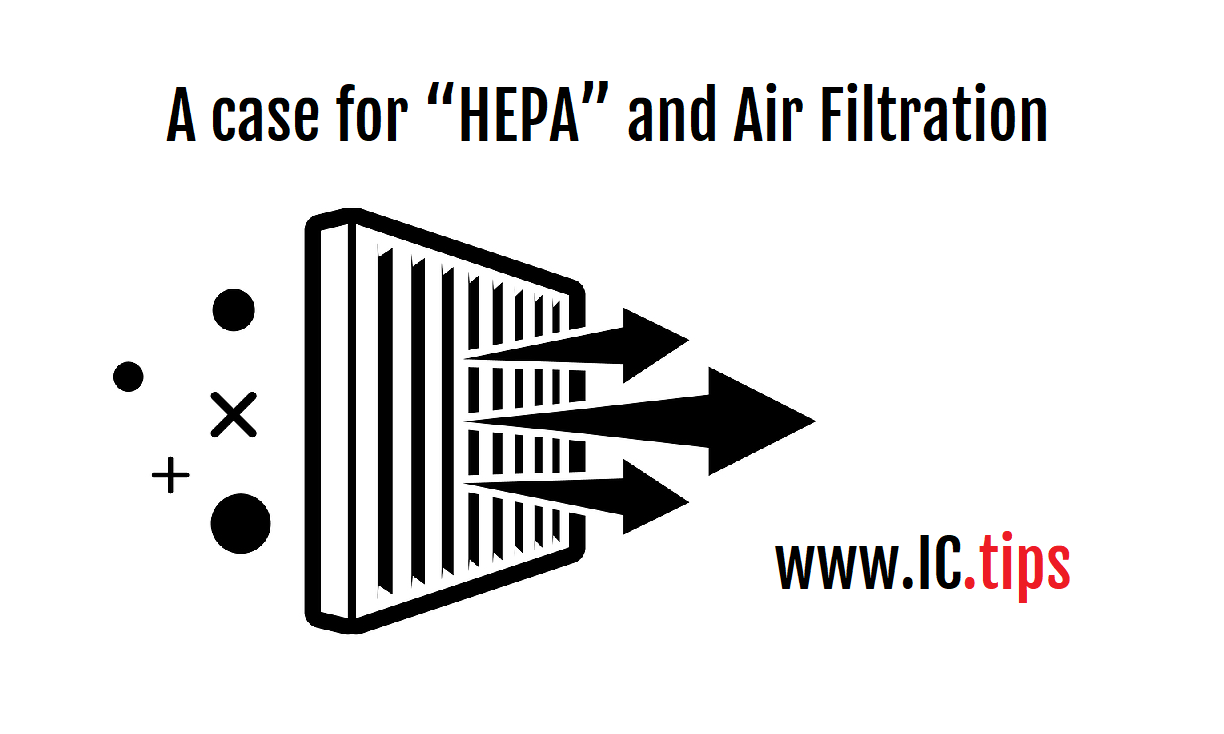
A case for “HEPA” and Air Filtration
One of the many lessons learned during the last two years of Covid was that one of the most significant ways the virus was transmitted was through the air. Not just the air carrying…
 TIPS JournalInfectionControl.tips · ISSN 2369-7342
Global science and perspectives on infection prevention - for practitioners, researchers and the public.
One of the many lessons learned during the last two years of Covid was that one of the most significant ways the virus was transmitted was through the air. Not just the air carrying…
Affiliation: GBAC, Global Biorisk Advisory Council When a virus or other infectious agent is transmitted through tiny droplets and aerosols, it is said to be an airborne disease. SARS-CoV-2, influenza, chicken pox, and…
Special Session of Legionella Conference Brings an Opportunity for Public Health and Industry Leaders to Work Together to Develop Emergency Plans and Water Safety Practices Abstract In 2018, the number of Legionnaires’ disease cases…
While mycobacteria are well-known causes of tuberculosis (TB) and leprosy, many other species, variously called ‘nontuberculous mycobacteria’, ‘atypical mycobacteria’ and ‘mycobacteria other than tuberculosis’, are emerging pathogens of global significance. In contrast to the…
The healthcare system is complex and often disjointed in its planning and policy-making. Decisions about patient care and building care rarely have the same personnel at the table, and yet a healthy building infrastructure…
According to the United Nations 2030 Water Resources Group, the global demand for water will surpass supply by 40% by 2030 unless there are significant gains in efficiency (Water for Life Decade, 2014). Addressing…
Editor Note: This article is a Critical Review to our Call for Critical Appraisals: Humidity and Influenza https://infectioncontrol.tips/2018/06/11/call-critical-appraisals-humidity-influenza/ Please send your commentaries to [email protected]. Commentaries should cite peer-reviewed sources, and be a minimum of 250 words. Critical…
The Journal of Infectious Disease recently published the article, ‘Influenza Virus Infectivity Is Retained in Aerosols and Droplets Independent of Relative Humidity.’ The article advocates that the relative humidity has little effect on the…
tips declare no conflict of interest with the following critical evaluation and research. No funds or influence were provided to InfectionControl.tips by any parties. Abstract Background Numerous articles have highlighted the role of waterborne nosocomial/Health-Care Associated Infections…
tips declare no conflict of interest with the following critical evaluation and research. No funds or influence were provided to InfectionControl.tips by any parties. Abstract There are numerous solutions for reducing the risk of respiratory illness for…
The 2018 Healthcare Symposium will take place in Boston on May 9 and 10, 2018. The event will feature interactive panel discussions with clinicians, engineers and architects, with a focus on improving patient outcomes…
We tend to think of the developing world when addressing issues of safe water, but even in the developed world, there is significant risk posed by bacterial pathogens. Legionella bacteria and other regrowth microorganisms…
The Healthcare symposium takes a multi-faceted approach to improving patient outcomes through hospital design and management by bringing together clinicians, engineers, and architects. On May 9-10, 2018, national and global leaders will meet at…
Over the past decade the development of additional disinfecting methods has become increasingly important to prevent hospital acquired infections as antibiotic drug resistance has risen rapidly. One such method involves copper-impregnated self-sanitizing surfaces. Despite…
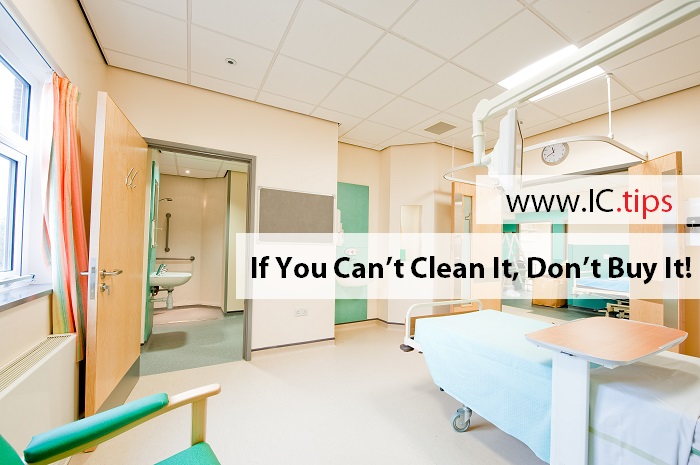
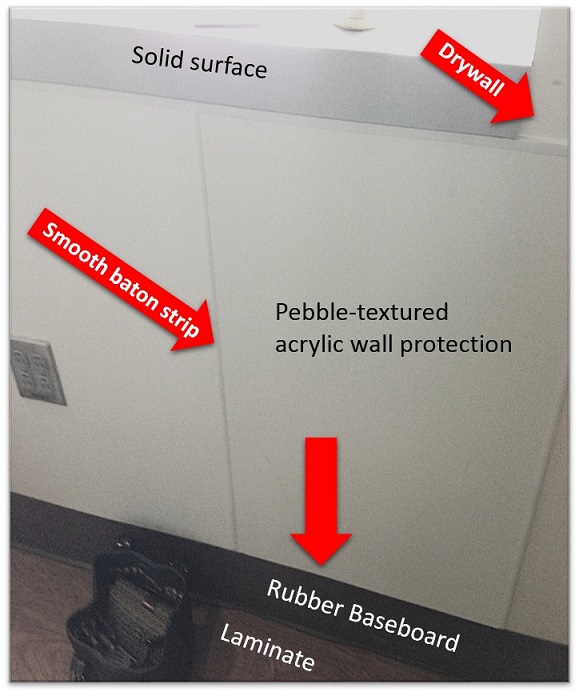
A number of factors ought to be considered when purchasing equipment for use in hospitals. At our March 2017 Showcase at our Center of Excellence for Infection Prevention and Control in Buffalo New York,…
Healthcare acquired infections (HAIs) are the third leading cause of death in the US, behind heart disease and cancer. One in every 25 inpatients will acquire an infection while being treated. These infections lead…
Effective infection control programs must deal with all environmental sources and modes of transmission that lead to the negative effects of microbes on materials. These may include product odors, deterioration, staining, bio-slimes, human impacts…
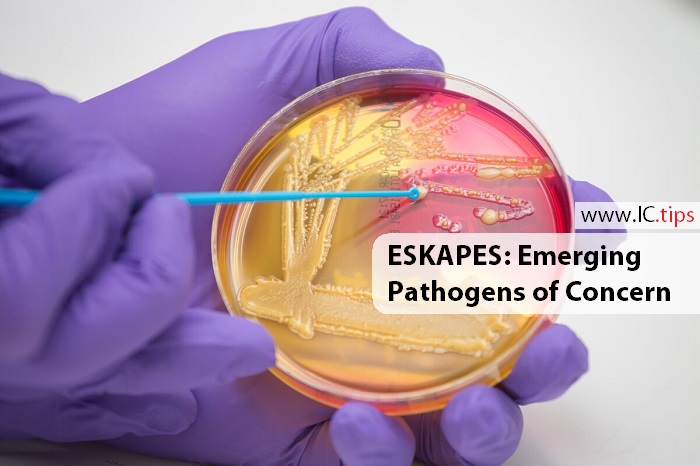
Emerging pathogens in healthcare settings are a concern due to their antibiotic resistant nature. Historically, the water treatment providers have been concerned with Legionella, but the danger has now been extended to include Pseudomonas…
TIPS JournalOpen-access, peer-reviewed science and perspectives.InfectionControl.tips
 TIPS Master SeriesFree live master classes with CE credits.masterseries.events
 TIPS InterviewsConversations with global health leaders and innovators.deepdive.tips
 Science to MarketMillions in Scientific Impact since 2016! Advancing innovations, ideas and processes that make a difference in global health.www.IC.tips